


 Best Seller


Why Trailer Sways and How to Stop It Safely
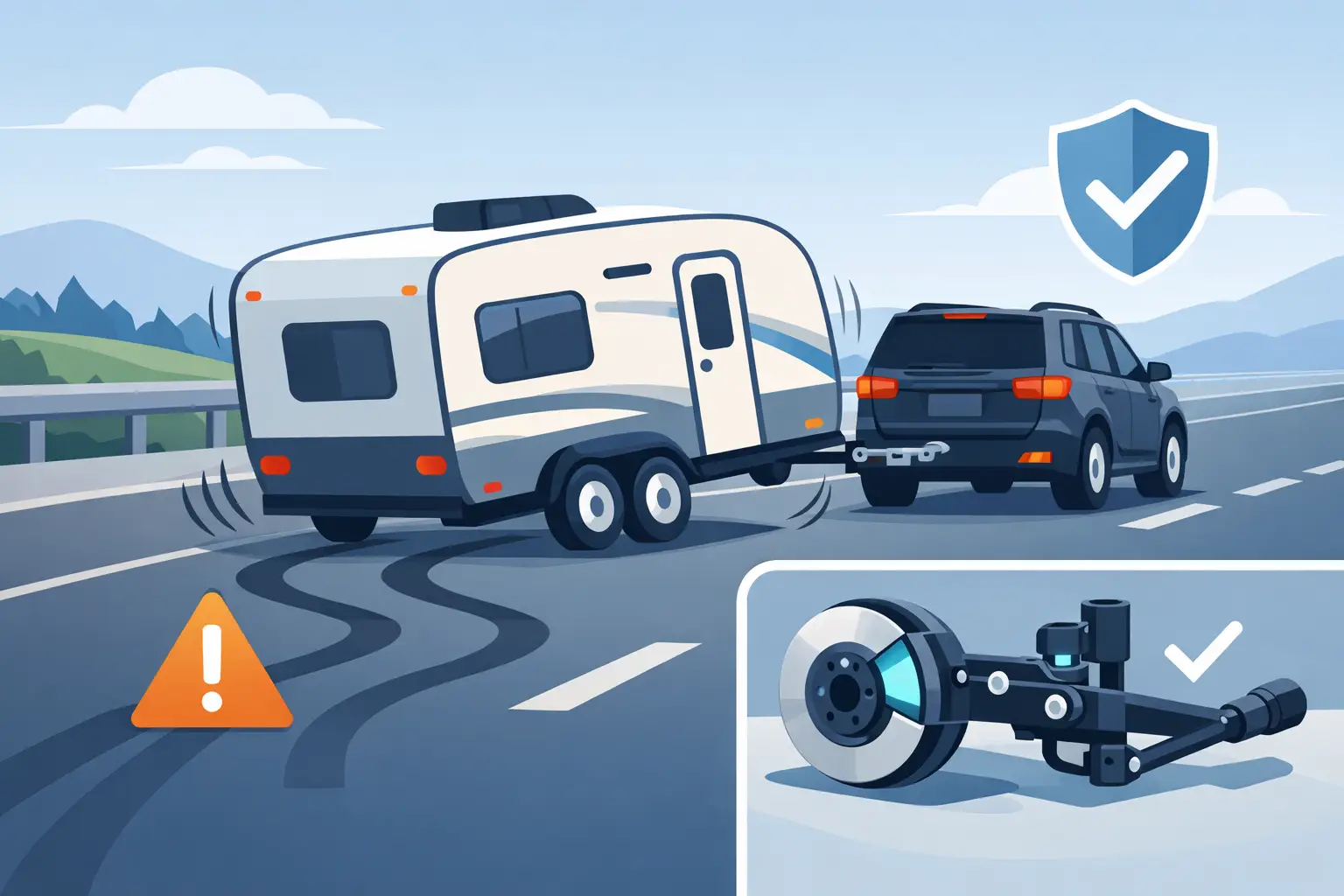
A trailer that starts moving side to side can turn a normal drive into a white-knuckle situation fast. Understanding why trailer sways is not just about making the ride more comfortable. It is about keeping the trailer, tow vehicle, cargo, and everyone around you under control.
A little movement from road grooves, passing trucks, or crosswinds can be normal. True sway is different. It builds from side to side, gets stronger as speed rises, and can feel like the trailer is trying to steer the truck. The fix is rarely one magic part. Most sway problems come down to load placement, trailer condition, hitch setup, or towing beyond what the combination can safely handle.
Why Trailer Sways Starts With Load Balance
The most common cause of trailer sway is not enough tongue weight. Tongue weight is the amount of the loaded trailer’s weight pressing down on the hitch. For most bumper-pull trailers, it should generally fall around 10% to 15% of the total loaded trailer weight. The correct number can vary by trailer design and manufacturer, but the principle stays the same: the front of the trailer needs enough weight to stay planted.
When too much cargo sits behind the trailer axle, the trailer becomes tail-heavy. A bump, gust of wind, or small steering correction can then start the trailer swinging. Once it begins, each swing can feed the next one.
Load heavy equipment, toolboxes, generators, building materials, or furniture low and forward of the trailer axles. Do not stack everything against the front wall without checking tongue weight, either. Too much weight on the hitch can overload the tow vehicle’s rear axle, reduce front-tire grip, and make steering and braking less predictable.
Secure the load tightly. Cargo that shifts during a turn can change trailer balance in an instant. A trailer may leave the driveway feeling stable and become unstable after a heavy item slides rearward.
Do Not Guess at Tongue Weight
A loaded trailer should be measured, not estimated by how much the back of the truck squats. A tongue-weight scale, a properly set up public scale, or a weight distribution system with verified ratings gives you useful numbers. Check the trailer’s loaded weight, tongue weight, truck axle weights, hitch rating, and tow vehicle limits as one system.
This matters for work trailers as much as recreational loads. A utility trailer carrying a mower one day and compact equipment the next may need a different load position each time. The right setup is based on the load you are towing today, not what worked with a different load last month.
Hitch Setup Can Cause or Control Sway
A hitch that is too high or too low changes how the trailer carries weight. Ideally, the trailer should sit close to level when loaded. A nose-high trailer can reduce effective tongue weight and encourage sway. A nose-low trailer can put too much load on the hitch and rear axle while creating clearance problems.
Start by checking the trailer frame, not just the fenders. Park on level ground with the trailer loaded as it would be for the road. If the trailer is noticeably out of level, the ball mount drop or rise may be wrong for the job.
For heavier trailers, a properly sized weight distribution hitch can transfer some of the load back to the front axle of the tow vehicle and forward to the trailer axles. That can improve steering response, braking stability, and overall control. It is not a substitute for correct loading, and it must be adjusted to the trailer and vehicle specifications.
Sway-control equipment can add another layer of control. Friction sway controls and integrated systems can help resist minor side-to-side movement. They work best when the trailer is balanced, the hitch is correctly set, and the tow vehicle is capable of handling the trailer. Adding sway control to a tail-heavy trailer is not a repair. It is asking a part to compensate for a setup problem.
Tires, Suspension, and Brakes Matter More Than Most Drivers Think
Trailer tires do serious work, often while sitting for long periods between trips. Low pressure lets the sidewall flex and can make the trailer feel loose behind the tow vehicle. Uneven wear, dry cracking, damaged belts, mixed tire sizes, and tires with insufficient load capacity can all contribute to unstable handling.
Check tire pressure when the tires are cold and use the pressure specified for the tire and trailer application. Match tire sizes and load ratings across the axle. Do not assume a tire that still has tread is ready for heavy towing.
Wheel bearings, suspension bushings, leaf springs, shackles, and axle alignment deserve the same attention. A bent axle or worn suspension component can cause the trailer to track poorly. If the trailer pulls to one side, shows strange tire wear, or feels unsettled even with a properly balanced load, inspect the running gear before the next trip.
Trailer brakes also affect stability. Brakes that are adjusted too aggressively can grab and upset the trailer. Brakes that barely engage shift too much stopping work to the truck. Set the brake controller according to the trailer manufacturer’s guidance, then test it at low speed in a safe, open area. The goal is controlled, even braking, not a trailer that jerks or drags the tow vehicle.
Speed, Wind, and Road Conditions Can Trigger Sway
Even a well-equipped truck and trailer have limits. Speed is one of the biggest factors in trailer sway because airflow and side forces increase quickly as you drive faster. A trailer that feels solid at 55 mph may feel nervous at 70 mph, especially with a tall enclosed trailer, a lightly loaded trailer, or a broad flatbed load.
Passing tractor-trailers, bridge openings, uneven pavement, downhill grades, and crosswinds can all start movement. That does not automatically mean the trailer is incorrectly set up, but it does mean the driver needs room and a safe speed margin.
If wind conditions are strong enough that you are constantly correcting the steering wheel, slowing down may not be enough. It may be smarter to wait, change the route, or delay the trip. The same goes for icy roads, heavy rain, and steep terrain with a trailer that is near the vehicle’s limits.
What to Do When Your Trailer Starts Swaying
The wrong reaction can turn a small sway event into a loss of control. Do not jerk the steering wheel, and do not stab the truck brakes. Hard steering inputs usually make the trailer swing wider.
Hold the steering wheel steady and ease off the accelerator. Let the tow vehicle slow gradually while keeping it pointed straight. If you have a trailer brake controller with a manual override, apply the trailer brakes gently and only if you know how your system responds. Light trailer braking can help pull the combination straight, but aggressive application can create another problem.
Once the trailer is stable, pull over somewhere safe. Do not continue as if nothing happened. Check the load, tie-downs, coupler connection, tire condition, hitch height, and any obvious suspension issues. If the cause is not clear, reduce the load or get the trailer inspected before going farther.
A Pre-Tow Check That Prevents Problems
Before every trip, walk around the full combination. Confirm the coupler is locked, safety chains are crossed and properly connected, the breakaway cable is attached correctly, lights work, tires are inflated, and cargo is secured. Check that the trailer is sitting level and that the hitch, ball, mount, and receiver are rated for the actual loaded weight.
Also look at the tow vehicle. Rear sag, soft suspension, overloaded cargo in the bed, or worn shocks can affect how the entire setup handles. The best trailer hitch components are the ones that fit the vehicle, trailer, and working load correctly. HCR Custom Fabrication works with truck owners who need dependable towing equipment because correct fitment is where safe towing starts.
Trailer sway is a warning, not a normal part of towing. Set up the load carefully, use equipment rated for the job, keep the trailer maintained, and give yourself time to slow down when conditions change. A stable trailer begins long before you pull onto the highway.





You must be logged in to post a comment.