Best Seller


Flatbed Fabrication Examples That Earn Their Keep
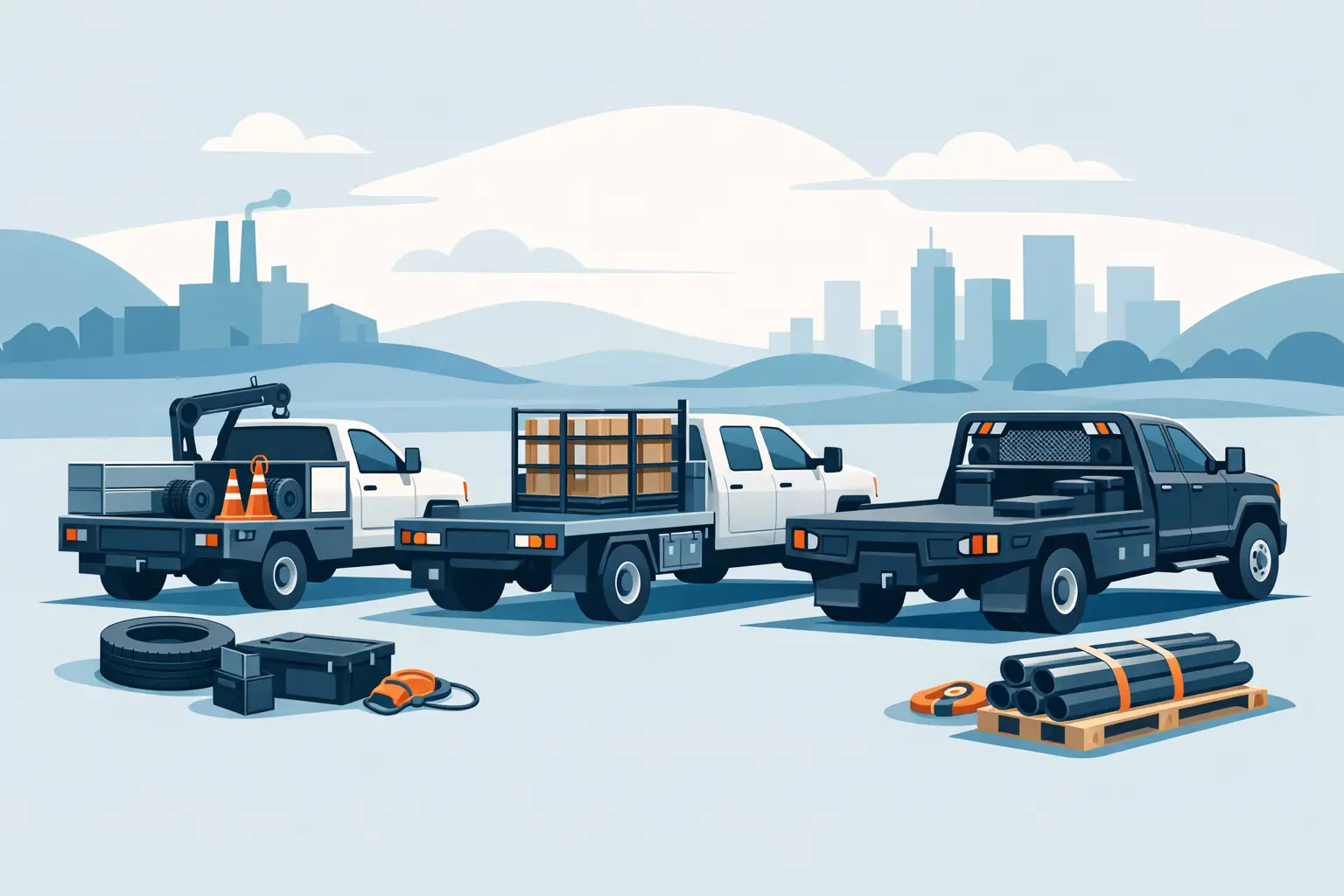
A flatbed is not just a sheet of steel behind the cab. For a working truck, it is the place where tools get thrown down, materials get loaded, chains get tightened, and long days leave their marks. The best flatbed fabrication examples start with the actual work the truck has to do, then build in the strength, access, and tie-down points that make that work easier.
A bed that looks sharp but cannot carry equipment safely is a poor investment. So is an oversized build loaded with options the owner will never use. The right custom flatbed balances payload, durability, access, and budget without turning a dependable truck into a complicated project.
Flatbed Fabrication Examples for Real Work
Every work truck has a different job site, load type, and driver behind it. That is why custom fabrication makes sense when an off-the-shelf bed leaves too many gaps. These examples show how practical design choices change the way a truck performs.
Contractor flatbed with organized tool storage
A contractor truck often carries a mixed load: ladders, saws, compressors, fasteners, job boxes, and material that is too long for a pickup bed. A steel flatbed with underbody toolboxes keeps smaller equipment protected and out of the weather while leaving the deck clear for larger loads.
A headache rack is a common addition, especially when hauling lumber, pipe, or ladders. It helps protect the cab and gives the driver a secure point for rack-mounted equipment. Add stake pockets and a rub rail along the sides, and the truck gains more tie-down options without cluttering the deck.
For this type of build, the trade-off is weight. More steel and more boxes mean less available payload. A good fabricator sizes the structure and storage around the truck’s capacity instead of building a bed that looks heavy-duty but limits what the owner can legally and safely haul.
Ranch or farm flatbed with removable sides
Farm and ranch trucks need flexibility. One day they may haul feed, fencing supplies, or livestock equipment. The next day they may pull a trailer or carry pallets. A flatbed with removable stake sides gives the truck a contained cargo area when needed and an open deck when it is not.
A gooseneck hitch with a reinforced hitch area is often the center of this setup. Clearance around the hitch matters. So does a deck layout that lets the driver reach chains, plugs, and breakaway equipment without crawling over cargo. Headache racks with integrated chain trays or storage compartments can keep the deck cleaner and reduce loose gear.
Paint and finish matter on a farm truck, but not only for appearance. A quality coating helps resist moisture, fertilizer residue, mud, and routine wear. No finish is indestructible, though. Steel beds still need washing, touch-up work, and occasional inspection around welds, corners, and mounting points.
Hotshot flatbed built for trailer work
A hotshot truck lives on the road and spends much of its working life connected to a trailer. Its flatbed should support that job without adding unnecessary bulk. A clean steel deck, a properly placed gooseneck hitch, strong rear receiver capability, and accessible lighting connections are usually more valuable than decorative add-ons.
Integrated storage can hold straps, binders, chains, and basic tools. The key is placing boxes where they do not interfere with trailer swing, hitch access, or deck space. Drivers who regularly haul wide or awkward loads may also need carefully positioned tie-down points that make securing a load faster from either side of the truck.
This is one of the flatbed fabrication examples where planning for serviceability pays off. Wiring should be protected and routed cleanly. Lights should be mounted where they are visible but less exposed to damage. Components that are easy to reach are easier to maintain when the truck is hundreds of miles from home.
Landscaping flatbed with equipment-ready access
Landscaping crews often need a truck that can haul mowers, compact equipment, mulch, stone, tools, and trailers in the same week. A flatbed with a durable rear bumper, integrated receiver, and strategically located tie-downs provides a stronger foundation than trying to make a standard pickup box do every job.
Side rails can help contain bagged material and hand tools, while a low-profile headache rack offers a place for shovels, trimmers, or ladders. Some owners prefer open sides for easy loading; others need enclosed storage to keep expensive equipment secure. The right answer depends on whether the truck is parked at a controlled shop or left at job sites throughout the day.
Avoid placing every accessory on the bed just because it is available. A landscaping rig needs clear walking space and quick access. If the crew has to climb over racks, boxes, and loose equipment to reach a mower or trailer coupler, the build is working against them.
Service flatbed for field repairs
A service truck has a different priority: access to organized tools. A flatbed can be fabricated with side compartments, a rear work area, and mounting provisions for equipment that supports on-site repairs. The deck becomes a stable platform for larger components, while the storage system keeps commonly used tools within reach.
Compartment layout should follow the way the technician works. Heavy items belong low and close to the truck’s centerline when possible. Frequently used tools should not be buried behind gear that only comes out once a month. Good storage design saves time, reduces clutter, and helps prevent equipment from becoming a projectile during sudden braking.
Lighting is another practical consideration. Work lights can make early mornings and late calls safer, but they need to be aimed correctly and wired to handle real use. Too much glare can be as frustrating as not enough light.
Features That Make a Custom Flatbed More Useful
The deck, frame, lighting, and storage all have to work as one system. When comparing designs, focus on features that match the truck’s daily use rather than a generic option list.
A few details consistently earn their place on a working flatbed:
- Stake pockets and rub rails provide flexible tie-down locations for changing loads.
- Headache racks protect the cab and can support ladders, tools, or load-control equipment.
- Underbody boxes keep gear secure while preserving usable deck space.
- Gooseneck and receiver hitch provisions support trailer work when properly reinforced.
- LED lighting improves visibility and can be easier to maintain than older lighting setups.
- A durable coating helps protect steel from road spray, weather, and job-site abuse.
Not every truck needs all six. A pickup used primarily for local material runs may benefit more from open deck space and simple tie-downs than a full row of boxes. A towing truck may need hitch access and lighting far more than tall side rails. Build around the work, not the catalog.
Start With Truck Capacity, Not Bed Size
Before settling on a design, verify the truck’s axle ratings, tire capacity, suspension condition, and intended payload. A custom steel bed adds weight before tools, cargo, and trailer tongue weight enter the picture. That weight has to be accounted for honestly.
Bed length and width also affect daily usability. A wider deck may carry certain materials better, but it can create clearance concerns in tight driveways or narrow job sites. Longer beds provide more cargo room, yet they can affect handling and departure angle. There is no one-size-fits-all answer.
This is where an experienced fabrication shop is valuable. HCR Custom Fabrication can help owners in Virginia, North Carolina, West Virginia, and Maryland think through truck fitment, work requirements, and practical add-ons before steel is cut. A clear plan up front prevents expensive changes after the build is underway.
Build for the Job You Have Next Week
The strongest flatbed fabrication examples are not built around a trend. They are built around the loads, trailers, tools, and work conditions the owner faces every week. Choose the features that make loading safer, equipment easier to reach, and the truck more capable when the workday gets long.