


 Best Seller


Parts Fitment Checker Guide for Exact Vehicle Fits
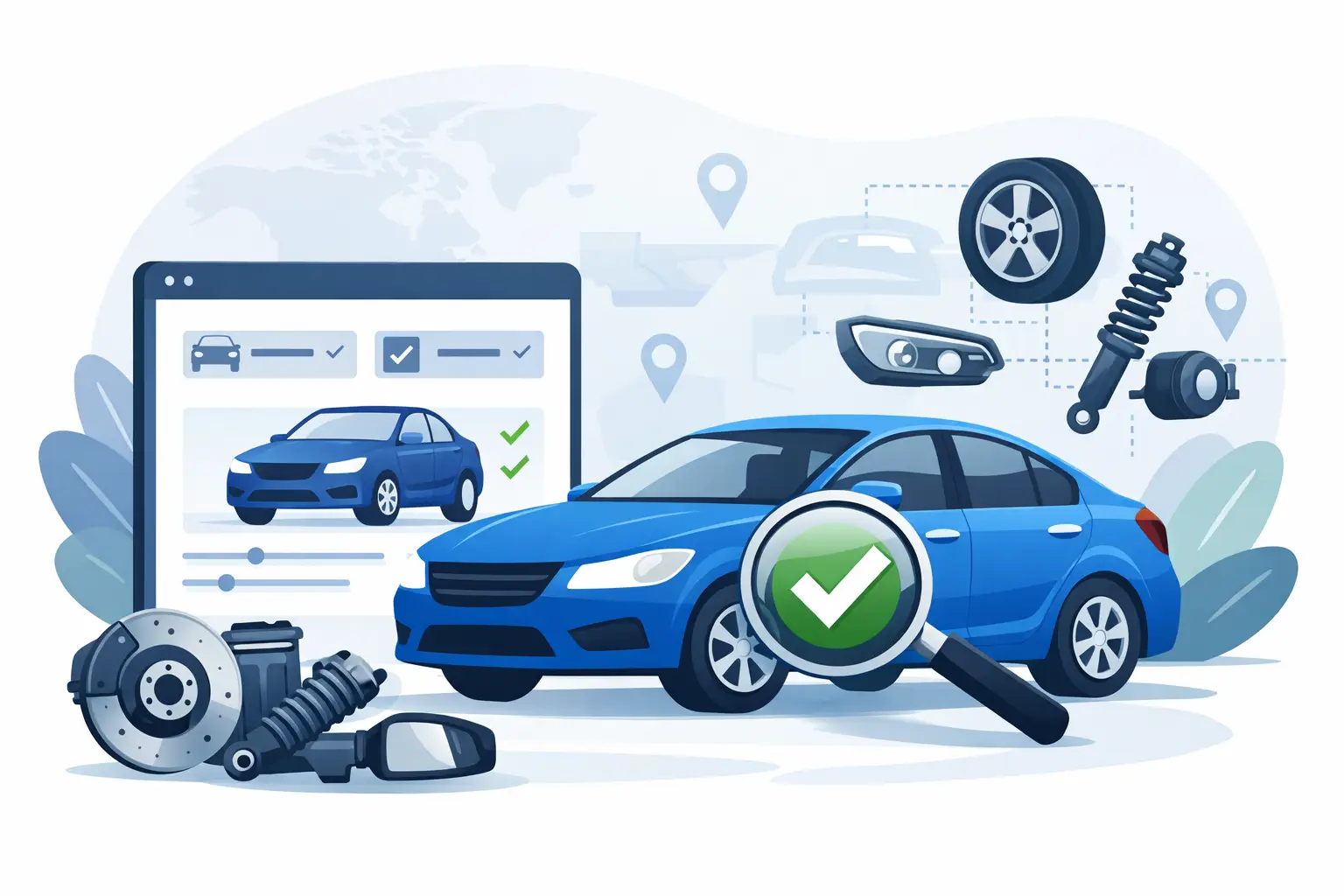
A part can look right in the photo, carry the right general description, and still be wrong for your vehicle. That is why a parts fitment checker guide matters before you order a flatbed accessory, suspension component, towing equipment, or restoration panel. A few accurate vehicle details up front can prevent downtime, return shipping, installation headaches, and a truck or classic project sitting unfinished in the shop.
Fitment tools are built to narrow a large catalog into parts that match the vehicle you actually own. They are a strong starting point, but they work best when you understand what the tool checks, what it cannot see, and when to stop and verify the details with a real person.
What a Parts Fitment Checker Actually Does
A fitment checker compares your vehicle information with the manufacturer’s application data. In most cases, you enter the year, make, model, and sometimes trim, engine, drivetrain, bed length, cab style, or wheelbase. The system then filters products based on the configurations listed by the manufacturer.
That process is far better than searching by a broad term like “2018 truck suspension” or “classic Chevy fender.” It removes many products that were never designed for your application and gives you a better path to the parts that perform as intended.
For truck equipment, the details matter fast. A component intended for an 8-foot bed may not work on a short-bed truck. A mounting kit may change between two-wheel drive and four-wheel drive. Towing hardware may depend on a factory tow package, frame design, bumper style, or existing equipment. Restoration sheet metal can vary by body style, production year, and previous repairs.
A fitment checker does not inspect the vehicle in your driveway. It cannot know that a previous owner installed a lift, swapped an axle, changed the bumper, modified the frame, or mixed parts from another model year. Think of it as a precision filter, not a substitute for looking at the vehicle.
Parts Fitment Checker Guide: Start With the Right Details
Before opening the vehicle selector, gather the information that affects the part you need. Your registration can help with the basic year, make, and model, but it is not always enough. Check the driver’s door label, build information, existing part numbers, and the vehicle itself when possible.
For a work truck, confirm cab configuration, bed length, drivetrain, engine, wheelbase, and whether the truck has factory equipment that could interfere with the new part. If you are shopping for a custom steel flatbed, exact frame measurements, chassis configuration, intended use, lighting requirements, and payload needs are more valuable than a general vehicle search alone.
For towing systems, confirm the vehicle model, model year, trim, towing setup, and any accessories already installed around the mounting area. A fitment match is only useful if the product suits the way you plan to tow. Capacity, connection style, clearance, and installation requirements all deserve a second look.
For classic vehicle restoration, verify the body style and production details rather than assuming every part from a certain decade fits every vehicle from that decade. Coupe, sedan, wagon, pickup, and specialty models can use different panels. Rust repairs and earlier collision work can also change what is needed for a clean installation.
If your vehicle has been modified, write that down before you shop. Lift kits, aftermarket wheels, oversized tires, air suspension, swapped engines, custom bumpers, aftermarket beds, and frame changes can all affect fitment. Those modifications do not automatically rule out a part, but they may turn a simple bolt-on job into a fabrication or adjustment job.
How to Use Vehicle Search Without Guessing
Select your vehicle carefully, then read the product page instead of stopping at the fitment confirmation. A checker may say a part fits while the product notes specify a particular submodel, mounting condition, or excluded configuration. Those notes are where costly mistakes are often avoided.
Pay close attention to language such as “requires,” “not for,” “with,” and “without.” These short phrases can change the answer completely. A product listed for a certain truck may require factory mounting points. Another may fit only vehicles without a specific package. A restoration panel may be marked as a patch panel rather than a full replacement piece.
Also confirm what comes in the box. A fitment tool can verify the main item, but the installation may still require brackets, hardware, adapters, wiring, or other supporting components. Ordering a compatible part without the necessary mounting pieces can delay the job just as surely as ordering the wrong part.
When available, use a saved garage or vehicle profile. Saving your exact vehicle reduces repeat entry errors and helps keep future searches focused on the same application. It is particularly useful for fleet operators, households with several vehicles, and owners managing a long-term restoration.
Check Fitment Against the Job, Not Just the Vehicle
Vehicle compatibility and job compatibility are not the same thing. A part may physically fit but still be the wrong choice for how you use the vehicle.
A truck owner hauling equipment every day needs more than a part that bolts on. Weight rating, material thickness, mounting strength, corrosion resistance, and service access all matter. A lighter accessory may suit occasional personal use, while a commercial truck may need a heavier-duty option built for repeated loading and rough conditions.
The same applies to suspension and air spring kits. The vehicle selector may show several compatible choices, but ride goals and load demands should drive the final decision. Are you leveling an unloaded truck, supporting a regular trailer load, carrying tools, or managing variable cargo? The best fit depends on the work, not just the year and model.
Towing equipment deserves the same discipline. Match the equipment to the towed vehicle, the connection method, rated capacity, and the clearances around the vehicle. Never treat a fitment result as a capacity approval. Fitment tells you whether the product is intended for the application. Ratings and instructions tell you whether it is appropriate for the load and setup.
When Fitment Tools Need a Second Check
Use direct support when the vehicle details are unusual, the product is safety-related, or the installation depends on measurements. That is not a failure of the fitment checker. It is the right move when the application has too many variables for a dropdown menu.
Call before ordering if you are dealing with a custom flatbed, modified truck frame, nonstandard wheelbase, major towing equipment, uncertain classic vehicle body style, or a part that needs to work with existing aftermarket components. Have photos, measurements, VIN details if requested, and part numbers ready. Clear information makes it easier to get a clear answer.
For customers in Virginia, North Carolina, West Virginia, and Maryland, local hands-on support can be especially valuable for fabrication and truck equipment projects. A quick conversation about the vehicle and the intended use can save a long drive, an unnecessary return, or a compromised installation plan.
Common Fitment Mistakes That Cost Time
The most common mistake is choosing by appearance. Similar-looking parts can have different hole locations, widths, connection points, or structural ratings. The second is selecting the wrong trim or drivetrain because the vehicle name looks close enough. The third is ignoring product exclusions because the main fitment result says “fits.”
Another expensive mistake is assuming a model-year range covers every version of that vehicle. Manufacturers often make mid-year changes, and specialty packages can use different components. Finally, do not force a part to fit by drilling, bending, trimming, or changing critical mounting points unless the manufacturer specifically allows it and the installation is appropriate for the application. This is particularly serious with towing, suspension, and load-carrying equipment.
A Better Way to Buy Vehicle-Specific Parts
Start with accurate vehicle information, use the fitment checker to narrow the field, and read every application note before adding a part to the cart. Then compare the product’s material, capacity, installation requirements, and intended use against the job in front of you.
HCR Custom Fabrication is built around that practical approach: find the right parts faster, then make sure they are right for the vehicle and the work. When the application is straightforward, the vehicle search gives you a confident place to start. When the job is custom, modified, or high-stakes, ask for help before the order goes through.
The right part should do more than match a menu selection. It should install correctly, hold up under real use, and keep your truck, tow setup, or restoration project moving forward.





You must be logged in to post a comment.