Best Seller


Is an Air Spring Kit for Pickup Worth It?
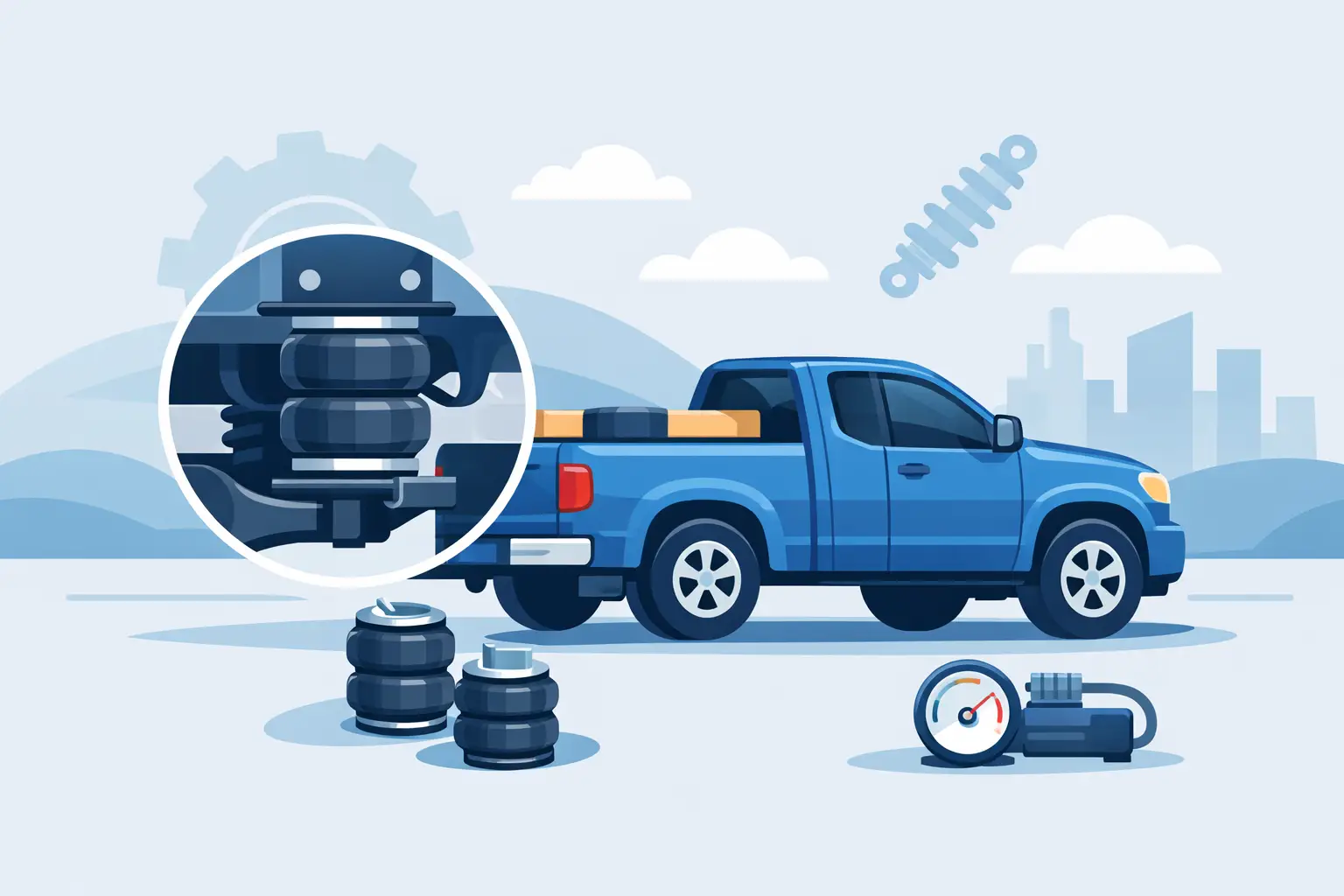
A loaded pickup should stay level, steer predictably, and keep its headlights out of oncoming traffic. If your truck drops in the rear when you hook up a trailer, load tools in the bed, or carry material for the job, an air spring kit for pickup use can make a real difference. It supports the rear suspension under changing loads without turning your truck into a harsh-riding empty work rig.
Air springs are not a cure for an overloaded truck, worn suspension, or a poor trailer setup. Used correctly, though, they are one of the most practical upgrades for owners who work their trucks hard on weekdays and still want a comfortable ride when the bed is empty.
What an Air Spring Kit Actually Does
An air spring kit adds inflatable rubber air bags between the truck frame and rear axle or suspension. When you add air pressure, the bags help carry part of the load that would otherwise compress the factory rear springs. The result is less rear-end squat, a more level stance, and better control when the truck is loaded.
That level stance matters for more than appearance. Excessive squat can reduce weight on the front axle, making steering feel light and braking less confident. It can also change headlight aim, increase trailer sway sensitivity, and put the hitch at an unfavorable angle. For a contractor hauling equipment, a farm owner carrying feed, or a pickup owner towing a camper or utility trailer, those changes are felt behind the wheel.
Most kits include air springs, vehicle-specific brackets, mounting hardware, air lines, inflation valves, and instructions. Some setups use one air bag on each side with separate fill valves. Others include a tee fitting so both bags inflate together. An onboard compressor and in-cab controller may be added for adjustment without stopping to use an external air source.
Choosing an Air Spring Kit for Your Pickup
The right kit starts with fitment, not maximum advertised capacity. Pickup suspensions vary by year, make, model, bed length, drivetrain, axle configuration, and factory suspension package. A kit built for one version of a truck may not clear components or mount correctly on another.
Start by confirming your vehicle details and checking for anything already installed around the rear suspension. Fifth-wheel hitches, gooseneck hardware, aftermarket bumpers, lift kits, leveling kits, and modified exhaust can all affect which kit fits. A good vehicle-specific kit should mount to designed locations with brackets that match the truck frame and axle arrangement. Avoid forcing a universal solution onto a work truck when a direct-fit option is available.
Capacity should match the type of load you carry most often. Many air spring systems are rated to provide up to 5,000 pounds of load-leveling support, while lighter-duty options may be better suited for occasional towing and moderate payloads. That rating does not increase the truck’s Gross Vehicle Weight Rating, axle rating, tire rating, hitch rating, or tow rating. Your pickup’s lowest-rated component still sets the limit.
Think about your real use case. If you pull a landscaping trailer twice a month, a basic manual-fill setup may be all you need. If your truck carries a service body, tools, or changing loads every day, an onboard compressor makes adjustment faster and more useful. If you tow a heavy trailer and keep the bed loaded, select a system designed for consistent commercial-duty use rather than buying based on price alone.
Air Bags vs. Other Suspension Upgrades
Air springs are not the only answer to rear-end squat. Helper leaf springs, add-a-leaf kits, upgraded leaf packs, and rubber load supports can all improve load handling. The best choice depends on whether your truck is always loaded or only loaded when work calls.
A heavier leaf spring setup provides fixed support. It can be a smart option for a dedicated work truck that carries the same substantial load every day. The trade-off is an empty ride that may be firmer than stock. Rubber load supports are simple and durable, but they offer less adjustment and may engage more abruptly as the suspension compresses.
Air springs stand out because they are adjustable. Run low pressure when the truck is empty, then add pressure when a trailer or payload brings the rear down. That flexibility is valuable for owners who use one pickup for both work and personal driving. The trade-off is that air systems have lines, fittings, and bags that should be inspected and maintained.
Manual Fill or Onboard Compressor?
A manual-fill air spring kit is straightforward, dependable, and usually less expensive. Air valves are commonly mounted near the rear bumper or license plate area, and you adjust pressure with a shop compressor, portable compressor, or air station. For occasional loads, this setup keeps the system simple.
An onboard compressor is a better fit when loads change frequently. With an in-cab gauge and controls, you can add or release pressure as needed instead of driving to an air source. This is especially useful for work trucks that go from empty to loaded several times a day or tow different trailers through the week.
Separate left and right controls can be useful when loads are uneven, such as a side-mounted toolbox or equipment that consistently sits off-center. Still, correcting a minor load imbalance with air pressure is not the same as properly distributing cargo. Keep heavy items low, secure them correctly, and place weight where the truck and trailer are designed to carry it.
Installation Details That Matter
Many vehicle-specific kits can be installed by an experienced DIY owner with basic hand tools, safe lifting equipment, and enough room to work. The brackets, air lines, and routing details are where the job is won or lost. A bag that mounts squarely and an air line that is protected from heat and abrasion will provide far better long-term service.
Before installation, inspect the rear leaf springs, shocks, shackles, bushings, bump stops, tires, and hitch components. Air bags can support a load, but they will not repair sagging factory springs, leaking shocks, damaged hardware, or tires that are not rated for the job. If the truck has a serious lean when empty, solve that problem before relying on air pressure.
During installation, follow torque specifications and route air lines away from exhaust components, sharp edges, moving suspension parts, and pinch points. Leave enough slack for suspension travel. After the system is installed, inflate the bags to the recommended minimum pressure and check every fitting with a soapy-water solution. Bubbles point to a leak that needs attention before the truck goes to work.
Do not inflate the bags beyond the manufacturer’s stated maximum pressure. More pressure is not automatically better. Overinflation can make the unloaded truck ride too stiff and may place unnecessary stress on the system. Add only enough air to bring the truck and trailer back toward level while maintaining the required minimum pressure.
Get Better Results When Towing
Air springs work best as part of a properly set up truck and trailer combination. Load the trailer with proper tongue weight, use the correct ball mount height, and confirm the trailer is level before assuming the air bags need more pressure. A weight-distribution hitch may be appropriate for certain trailer and hitch combinations, but it serves a different purpose than rear suspension support.
After loading, step back and look at the truck. Check that the front and rear sit reasonably level, the trailer is not nose-high or nose-low, and the tires are properly inflated for the actual load. Then take a short test drive at low speed. Pay attention to steering response, braking feel, trailer behavior, and any contact or rubbing noises from the suspension.
For pickup owners in Virginia, North Carolina, West Virginia, and Maryland, changing grades, rough job sites, and long highway runs can expose a weak suspension setup quickly. A correctly fitted air spring system helps keep the truck composed, but safe loading and regular inspections remain part of the job.
When an Air Spring Kit Is the Right Move
An air spring kit makes sense when your truck performs several roles. It is especially useful if you regularly tow, carry tools or materials, haul a slide-in load, or see noticeable squat only when the truck is working. It also gives owners more control over ride height without permanently changing the unloaded feel of the factory suspension.
If your pickup is overloaded every day, constantly bottoms out, or has worn-out springs and shocks, start with the underlying issue. Upgrade the suspension components that are no longer doing their job, confirm your load is within the truck’s ratings, and then use air springs for adjustable support.
HCR Custom Fabrication can help serious truck owners narrow down vehicle-specific options so the brackets, capacity, and controls match the way the pickup is actually used. Get the fitment right, set pressure for the load in the bed or on the hitch, and your truck can stay ready for work without giving up the ride you want when the day is done.