


 Best Seller


Best Classic Car Weatherstripping for a Tight Fit
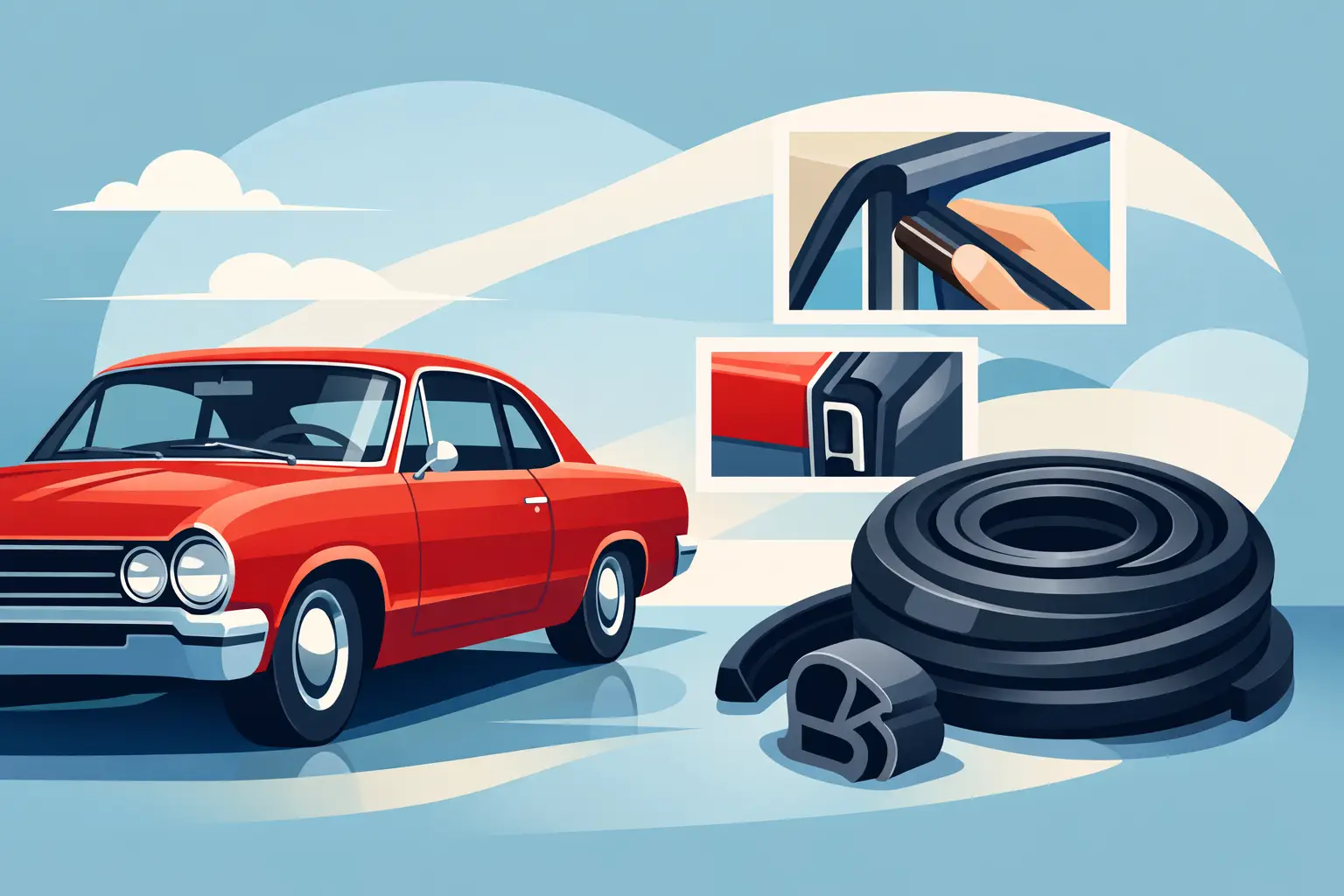
A freshly painted classic can still feel unfinished the first time rain runs down the windshield pillar and drips onto the carpet. Torn door seals, flattened trunk rubber, and loose window channels do more than create wind noise. They let moisture into places that rust from the inside out. The best classic car weatherstripping is not simply the softest rubber available. It is the correct profile, density, length, and attachment style for your specific vehicle.
For a driver-quality restoration, good seals make the car quieter, cleaner, and more comfortable. For a show-level build, they also make the body lines look right. A weatherstrip that is too thick can hold a door proud of the body. One that is too thin may leave gaps, whistle at highway speed, or fail to keep water out. Getting the fit right before installation saves a lot of frustration later.
What Makes the Best Classic Car Weatherstripping?
The right seal has to work with the car’s original body design. Classic vehicles were built with different door frames, glass tracks, pinch welds, retainers, and drain paths. A universal bulb seal may look close on the workbench, but it can change door alignment or leave an uneven gap once installed.
Vehicle-specific weatherstripping is usually the best choice when it is available. It follows the original shape, includes molded corners where needed, and is designed to seat in the proper channel or fasten with the correct clips. That matters most around windshields, back glass, door openings, vent windows, and trunk openings, where a small mismatch becomes an obvious leak.
Material matters, too. Modern EPDM rubber is a strong choice for many restoration applications because it stands up well to sun, ozone, temperature swings, and moisture. It generally lasts longer than old-style rubber compounds while providing dependable compression. The trade-off is that some seals can feel firmer than the worn-out originals coming off the car. That does not automatically mean they are wrong. New rubber needs time to settle, especially on doors that have been open and shut on tired seals for decades.
A quality part should have a consistent cross-section with no thin spots, distorted corners, or rough flashing. It should also compress evenly. If one section is dense and another feels soft, the seal may not hold a consistent line against the body.
Match the Seal to the Job
Classic car weatherstripping is not one product. Each area of the vehicle needs a seal designed for its job.
Door opening seals
Door weatherstrips are the seals most owners notice first. They control wind noise, dust, water intrusion, and how solid the door feels when it closes. The correct profile must match both the door and the body flange. If the wrong bulb size is used, the door may require excessive force to latch, or it may not seal at all near the upper corners.
Before ordering, inspect whether the original seal mounted with push-in clips, adhesive, a molded retainer, or a combination of methods. Do not assume adhesive can replace missing clips. Clips locate the rubber accurately and prevent it from creeping over time.
Window channels, sweeps, and run guides
Glass weatherstripping has a different job. Window run channels guide the glass inside the door frame, while inner and outer beltline sweeps wipe the glass and keep debris out of the door. Worn sweeps can scratch fresh glass or let water pour directly into the door cavity. Bad run channels can make a power window struggle or cause manual glass to bind.
Look closely at the backing material and the fuzzy lining on channels. The lining should protect the glass while allowing smooth movement. Correct stainless bead detail, mounting holes, and clip positions can also make a major difference on visible restoration work.
Windshield and rear glass gaskets
Windshield and back glass seals demand exact fitment. These gaskets hold the glass in position and manage water around the opening. On many older cars and trucks, the glass gasket also works with a locking strip or trim system. Using an incorrect gasket can leave trim loose, make installation difficult, or create a leak that does not appear until the first hard rain.
Do not reuse a cracked gasket just because it looks acceptable from outside the vehicle. Old rubber often hardens against the pinch weld, then tears when the glass is removed. If the glass is already out for paint or rust repair, replacing the seal is usually the smart move.
Trunk, hood, and convertible seals
Trunk seals protect a low area that often traps water, spare tires, and moisture-sensitive upholstery. The seal needs to sit at the right height so the lid closes flush without excessive pressure. Hood seals help direct airflow and keep underhood debris under control, but they should not interfere with hinges or latch operation.
Convertible top weatherstripping is less forgiving. It must meet glass, top fabric, and body channels at several points. For these applications, molded vehicle-specific pieces are worth the investment. Cutting generic material to fit may work as a temporary repair, but it rarely produces a clean, long-term seal.
Fitment Comes Before Price
The cheapest weatherstrip is expensive if it has to be removed after the paint gets damaged or the doors stop closing properly. Start with the year, make, model, body style, and number of doors. Details matter. A coupe, sedan, wagon, convertible, and pickup from the same model year may use completely different seals.
Also verify production breaks and trim differences when applicable. Some vehicles changed window frames, roof lines, or glass dimensions during a model run. If you are working on a modified vehicle, such as a chopped top, replaced quarter panels, custom doors, or aftermarket glass, factory-style seals may need adjustment. That is where careful measurements and direct parts support are more useful than guessing from a photo.
At HCR Custom Fabrication, the goal is the same whether you are repairing one leaking door or finishing a full restoration: find the part that fits the vehicle before it reaches your shop. Exact-fit parts reduce rework and help keep a build moving.
Installation Can Make or Break a Good Seal
Even premium weatherstripping will not perform if it is installed over rust, old adhesive, or a damaged channel. Remove the old seal completely, clean the mounting surface, and repair any sharp edges or corrosion before fitting the new piece. A clean, stable surface gives adhesive and clips a fair chance to hold.
Dry-fit longer seals before applying adhesive. Check molded corners, drain paths, clip holes, and the direction of the seal lip. On door openings, begin at a known reference point such as a molded corner or factory joint rather than stretching the rubber from one end to the other. Stretching can cause the seal to shrink back later and leave a gap.
Use weatherstrip adhesive only where the original design calls for it. Apply a controlled, thin coat instead of a heavy bead that squeezes out onto painted surfaces. Let it tack according to the product instructions, then press the seal into place section by section. For glass gaskets and locking strips, use the correct installation tools and take your time. Broken glass or scratched paint costs more than a careful install.
After installation, close the doors and lids gently for the first few days. New seals need compression time. If a door is difficult to latch, confirm the seal is fully seated before adjusting hinges or striker plates. Adjustment may be needed, but a folded lip or misplaced clip is often the real problem.
Signs You Should Replace Weatherstripping Now
Rubber does not have to be completely missing before it becomes a problem. Replace it when you see cracking, hardening, torn corners, flattened sections, or stains showing repeated water entry. Wind noise that starts at highway speed, damp carpet after washing the car, and doors that rattle over rough roads are also clear signs that the seal system is no longer doing its job.
Pay special attention to the lower door area and trunk floor. These spots can hide corrosion for years. A weatherstrip repair is a small job compared with replacing rusted structure, repairing upholstery, or repainting a water-damaged panel.
The best approach is practical: buy the correct seal for the exact opening, prepare the mounting surface, and install it without forcing the rubber to do a job it was not designed to do. A tight, even fit keeps the weather outside, protects the work you have already put into the vehicle, and makes every drive feel more finished.





You must be logged in to post a comment.