


 Best Seller


Virginia Custom Truck Fabrication That Works Hard
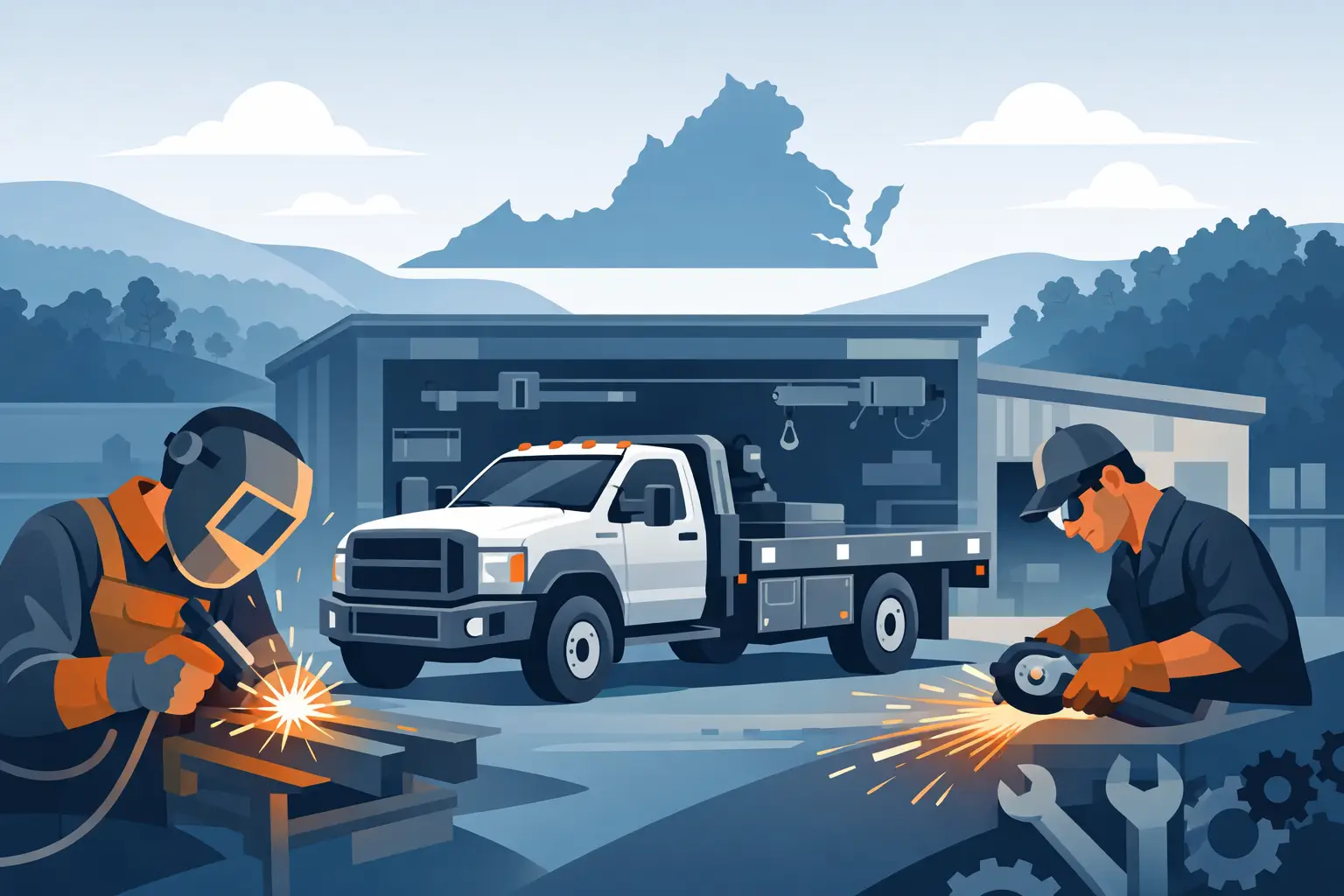
A truck that works for a living should not force you to work around its limitations. Virginia custom truck fabrication gives contractors, farm operators, fleet managers, and hands-on owners a way to build around the actual job – not a generic catalog description. Whether you need a steel flatbed with protected storage, a purpose-built rack, or equipment that makes towing safer and simpler, the right fabrication starts with how your truck earns its keep.
Start With the Work, Not the Add-Ons
The best custom truck builds are practical before they are flashy. A clean-looking bed is a bonus, but the real question is whether it carries your tools securely, holds up to repeated loading, and gives you access to what you need without wasting time every day.
Think through the truck’s normal workload. A landscaping crew may need lockable storage for handheld equipment, room for material, and tie-down points that are easy to reach. A welding or service truck may need dedicated space for heavy equipment, protected leads, and a layout that keeps commonly used tools close at hand. A farm truck may need a bed that can take muddy gear, uneven loads, and long days on rough ground.
That is why off-the-shelf equipment can be a compromise. It may fit the frame, but it may not fit the way you load, tow, or organize a job. Custom fabrication lets the build account for payload needs, equipment placement, access points, and the truck’s intended service instead of leaving those details to chance.
What Virginia Custom Truck Fabrication Can Solve
A well-planned build solves small daily frustrations before they turn into lost time or damaged equipment. It also makes the truck safer to operate. Loads are easier to secure, tools are less likely to shift, and the driver has a clearer work area at the site.
Custom steel flatbeds are a strong foundation for many work trucks. They provide an open, usable platform for equipment and material while giving the fabricator room to add the features that matter to your operation. Headache racks, underbody boxes, stake pockets, removable sideboards, ladder racks, receiver hitches, and integrated tie-downs can all be planned as part of the bed instead of bolted on as an afterthought.
The right setup depends on the truck and the job. A heavier bed with more storage may be worth it for a service operation, but it can reduce available payload. A simpler flatbed may carry more material, but it will not offer the same level of tool security. Good fabrication is not about adding every available feature. It is about putting the right steel, storage, and mounting points where they will perform.
Flatbeds Built for Daily Use
A flatbed has to handle more than a parked truck at a jobsite. It sees loading ramps, pallets, toolboxes, chain drag, wet boots, gravel, and weather. Material choice, weld quality, deck design, and finish all affect how it performs over time.
Steel remains a practical choice for many commercial applications because it is tough, repairable, and well suited to customized layouts. The bed should be matched to the truck’s chassis, axle capacity, and intended load. It should also leave proper clearance for suspension movement, tires, fuel fill access, and factory components.
Details matter. Secure mounting, usable rub rails, sensible lighting placement, and properly located tie-down points make a truck easier to use every time it rolls out. A bed that looks good but makes it hard to secure a load is not finished right.
Storage That Keeps Tools Ready
Tool storage is one of the fastest ways to improve a work truck. The goal is not simply to add boxes. It is to reduce searching, protect valuable equipment, and keep weight distributed where the truck can handle it.
Underbody boxes preserve deck space and keep tools accessible from the side of the truck. Top-mounted boxes can work well for frequently used gear, while custom compartments can protect specialized equipment from weather, road grime, and theft. Door swing, latch quality, drainage, and clearance around fuel doors or trailer connections all need to be considered before the first piece is fitted.
A smart layout also protects the driver from unnecessary climbing. If a tool is used ten times a day, it should not be buried behind cargo or placed where it requires crawling onto the bed to reach it.
Racks, Hitches, and Towing Equipment
Truck racks and towing equipment need to be built around the load path, not just the available space. A ladder rack must support long material without interfering with cab clearance or access to the bed. A hitch setup has to account for trailer weight, tongue weight, wiring, safety-chain connection points, and how often the truck is expected to tow.
For RV owners, proper baseplates and towbar equipment are vehicle-specific. Fitment is not a detail to guess at. The right parts and installation approach help maintain safe towing geometry and make hook-up less frustrating before a trip.
If your truck pulls equipment trailers, enclosed trailers, or work loads regularly, plan the bed and hitch together. A rear-mounted toolbox, low-hanging accessory, or poorly placed receiver can create problems that only show up when the trailer is attached.
Build for Fitment Before Finish
A fabrication project should begin with accurate truck information. Year, make, model, wheelbase, cab configuration, frame details, and existing equipment all affect the final build. That is especially true when the truck already has aftermarket suspension components, auxiliary tanks, electrical equipment, or a previous bed installation.
Before approving a custom build, be ready to answer four practical questions:
- What does the truck carry on a normal day, and what is the heaviest realistic load?
- What tools or equipment need locked, weather-protected storage?
- How often does the truck tow, and what trailers does it pull?
- Who uses the truck, and what slows them down during a typical shift?
Those answers turn a broad idea like “I need a better bed” into a workable plan. They also help avoid unnecessary cost. There is no reason to pay for a complicated system if a straightforward flatbed, two quality boxes, and properly placed tie-downs will do the job better.
Finish should be discussed after the structure and layout are right. Coatings and paint help protect the investment, but they cannot compensate for weak mounting, poor weld access, or a design that fights the job. Durability starts with the build itself.
When Custom Is the Better Buy
Custom fabrication is not always the lowest upfront price. A standard bed or accessory package can be the right answer when the work is simple, the truck is lightly used, and the available options meet the need without modification.
Custom becomes the better value when poor fitment costs time, when the equipment is specialized, or when a truck needs to perform several jobs. It also makes sense when replacing equipment later would be more expensive than building correctly the first time. A properly designed truck can improve load control, reduce tool damage, and make a crew more productive without adding another vehicle to the fleet.
For owners across Virginia and the surrounding region, local fabrication support also has a practical advantage: the person building the equipment can discuss the truck, the load, and the real-world problem directly. That kind of conversation is difficult to replace with a one-size-fits-all order form.
Get the Truck Set Up to Earn Its Keep
HCR Custom Fabrication works with owners who need parts that perform and truck equipment built around real use. From steel flatbeds and custom metal work to towing equipment and vehicle-specific accessories, the focus is on fit, durability, and a setup that makes the next job easier.
Bring clear photos, truck details, and an honest description of how the vehicle is used. The more accurately the work is defined before fabrication begins, the better the finished truck will serve you when the day gets long and the load gets heavy.





You must be logged in to post a comment.