


 Best Seller


Best Truck Flatbed for Towing: What Matters
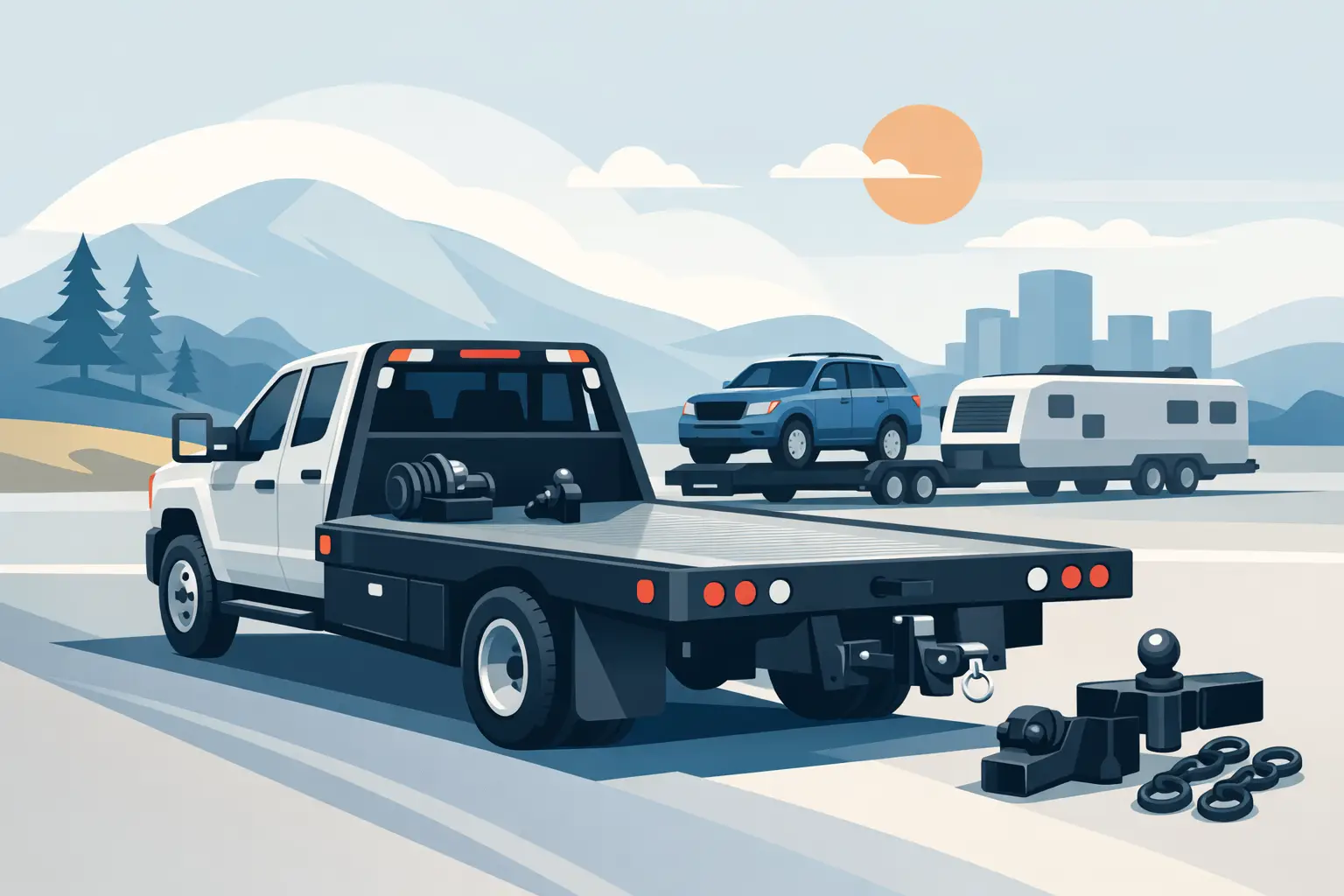
A flatbed that looks good in the lot can still be the wrong choice once a trailer is hooked up and the truck is loaded for a real job. When buyers ask about the best truck flatbed for towing, the answer usually comes down to how the bed is built, how the hitch is integrated, and how well the whole setup matches the truck’s actual workload – not just its maximum ratings on paper.
For towing, the flatbed is more than a platform. It affects hitch placement, weight distribution, storage, clearance, tie-down access, and long-term durability. If the bed gets any of those wrong, the truck becomes harder to use and more expensive to maintain. If it gets them right, towing is cleaner, safer, and a lot less frustrating day after day.
What makes the best truck flatbed for towing?
The best truck flatbed for towing is the one that fits the truck, the trailer, and the work. That sounds basic, but this is where a lot of bad purchases start. A ranch truck pulling a gooseneck equipment trailer has different needs than a pickup towing a fifth-wheel RV, and both are different from a contractor’s truck hauling bumper-pull trailers and jobsite material.
A good towing flatbed starts with a strong substructure and a deck that can handle daily abuse without flexing, cracking, or trapping water where rust starts. Steel remains the go-to choice for many work users because it holds up under hard use and gives fabricators more options for custom hitches, headache racks, toolboxes, and tiedown points. Aluminum can save weight, which may help payload and corrosion resistance, but it is not always the best fit for buyers who need a bed that sees constant heavy contact from equipment, scrap, pallets, or chain binders.
The hitch setup matters just as much as the bed material. If you plan to tow bumper-pull trailers, receiver strength, rear access, and clean wiring integration should be part of the design. If you need gooseneck or fifth-wheel capability, the bed has to allow proper ball or hitch placement over the axle area, with enough deck access to connect safely and enough clearance around the trailer nose during turns.
Flatbed size and layout change how the truck tows
A longer or wider deck is not automatically better. The right size depends on cab configuration, axle placement, trailer style, and how much cargo you carry on the bed while towing. A bed that is too short can limit usable space and crowd your hitch area. A bed that is too large can add unnecessary weight, affect departure angle, and create clearance issues if the design is not matched to the chassis.
For towing, deck layout is often more important than raw dimensions. Buyers should pay close attention to whether the bed gives them clear access to the hitch point, secure mounting for safety chains, and practical storage for straps, blocks, tools, and trailer gear. Underbody boxes and integrated compartments are not just convenience features. They keep towing equipment organized and off the deck, which saves time and reduces the chance of damaged gear.
Rub rails, stake pockets, and recessed tie-down points also matter when the truck has to do double duty. Many owners are not just towing. They are hauling pipe, steel, pallets, small machines, or building materials between trailer runs. The best setup supports both jobs without making either one harder.
Steel flatbeds still make sense for serious towing work
There is a reason steel flatbeds are still common on work trucks that tow every week. They are durable, repairable, and well suited to custom fabrication. For buyers who need integrated gooseneck hitches, reinforced receiver setups, or specific toolbox and rack configurations, steel usually offers more flexibility.
That does not mean every steel bed is equal. The quality of the welds, crossmembers, channel structure, finish, and mounting system all affect long-term performance. A bed may have a good-looking powder coat and still fall short where it counts. If the structure underneath is light, if the hitch area is not reinforced properly, or if the bed traps moisture, problems show up fast once the truck is used the way it was intended.
For towing, heavier construction can be worth the trade-off in added bed weight. The key is staying realistic about what the truck is built to carry and pull. A heavier bed on the wrong truck can eat into payload and create its own problems. On the right chassis, though, a properly built steel flatbed brings the strength and stability most work users want.
Best truck flatbed for towing a gooseneck or fifth-wheel
If gooseneck or fifth-wheel towing is part of the plan, bed design becomes even more critical. You need room to hitch and unhitch without fighting the deck, enough clearance for trailer movement, and a structure that supports the hitch system correctly.
One of the biggest mistakes is treating all towing beds as interchangeable. A flatbed intended mainly for general hauling may not be laid out well for frequent gooseneck use. The deck can interfere with access, the hitch cutout may be poorly placed HCR Custom Fabrication stops this with our B & W Turn Over Ball weld in gooseneck hitch eliminating the cutout altogether, or storage boxes may take up room where you need to work. For RV users, ride quality and bed-to-trailer clearance matter. For equipment trailers, durability and easy hookup usually come first.
This is where custom fabrication often wins. A custom-built bed can be designed around the exact truck, trailer type, and job requirements. That means cleaner hitch integration, better storage placement, stronger mounting, and fewer compromises. HCR Custom Fabrication serves a lot of buyers who need that kind of fit and function because off-the-shelf is not always enough once towing becomes a daily requirement instead of an occasional task.
Don’t ignore truck fitment and weight ratings
The best bed on the wrong truck is still the wrong setup. Before choosing a flatbed, buyers need to look at axle ratings, tire capacity, suspension condition, frame compatibility, and how much pin or tongue weight the truck will realistically carry with the bed installed.
This is where many owners get burned. They focus on the trailer’s gross weight and forget how much of that load transfers to the truck. Add a heavy steel bed, toolboxes, fuel, chains, and cargo, and the margin disappears quickly. A towing setup needs to work in the real world, not just in a sales brochure.
Fitment also affects installation quality. A bed that is properly matched to the truck will mount correctly, sit right on the frame, and give better clearance around lights, wiring, and fuel fill locations. That means fewer headaches later and better confidence every time the trailer is connected.
Features worth paying for
Not every extra is worth the money, but some features make a towing flatbed noticeably better to live with. A headache rack protects the cab and gives you a place for lights and accessory mounting. Sealed lighting and protected wiring help reduce downtime. A quality rear step or hitch access area makes hookup easier, especially in bad weather or low light.
Integrated storage is another feature that pays for itself fast. Towing usually comes with more gear than people expect. Straps, chains, binders, jacks, adapters, and spare connectors all need a place to go. If the bed keeps those items secure and easy to reach, the truck works better.
A strong finish matters too, but only if the prep work and construction under it are solid. Buyers should think in terms of long-term use, not just appearance on delivery day.
When off-the-shelf works and when custom is better
Some buyers can absolutely use a standard flatbed with the right hitch package. If the truck has a common chassis, the towing needs are straightforward, and the bed layout matches the job, a ready-made unit can be a practical choice.
Custom makes more sense when the truck has to do specific work that standard layouts do not support well. That includes unique toolbox needs, specialized trailer hookups, heavy gooseneck use, clearance issues, or a work process that depends on exact deck space and tiedown placement. Spending more up front on the right build often costs less than modifying the wrong bed later.
The real question is not whether a bed is standard or custom. It is whether it saves time, holds up, and gives you the towing setup you need without workarounds.
The right flatbed should make the truck easier to use
The best truck flatbed for towing is not the one with the longest feature list. It is the one that matches your truck, supports your hitch setup, and stands up to the way you actually work. If a flatbed improves trailer access, keeps gear organized, handles load stress, and fits the truck correctly, it is doing its job.
Before you buy, think past the first install. Think about muddy jobsites, tight turns, loaded trailers, daily hookups, and years of wear. The right bed should keep earning its place every time you put the truck to work.





You must be logged in to post a comment.