Best Seller


Gooseneck Hitch Installation Kit Basics
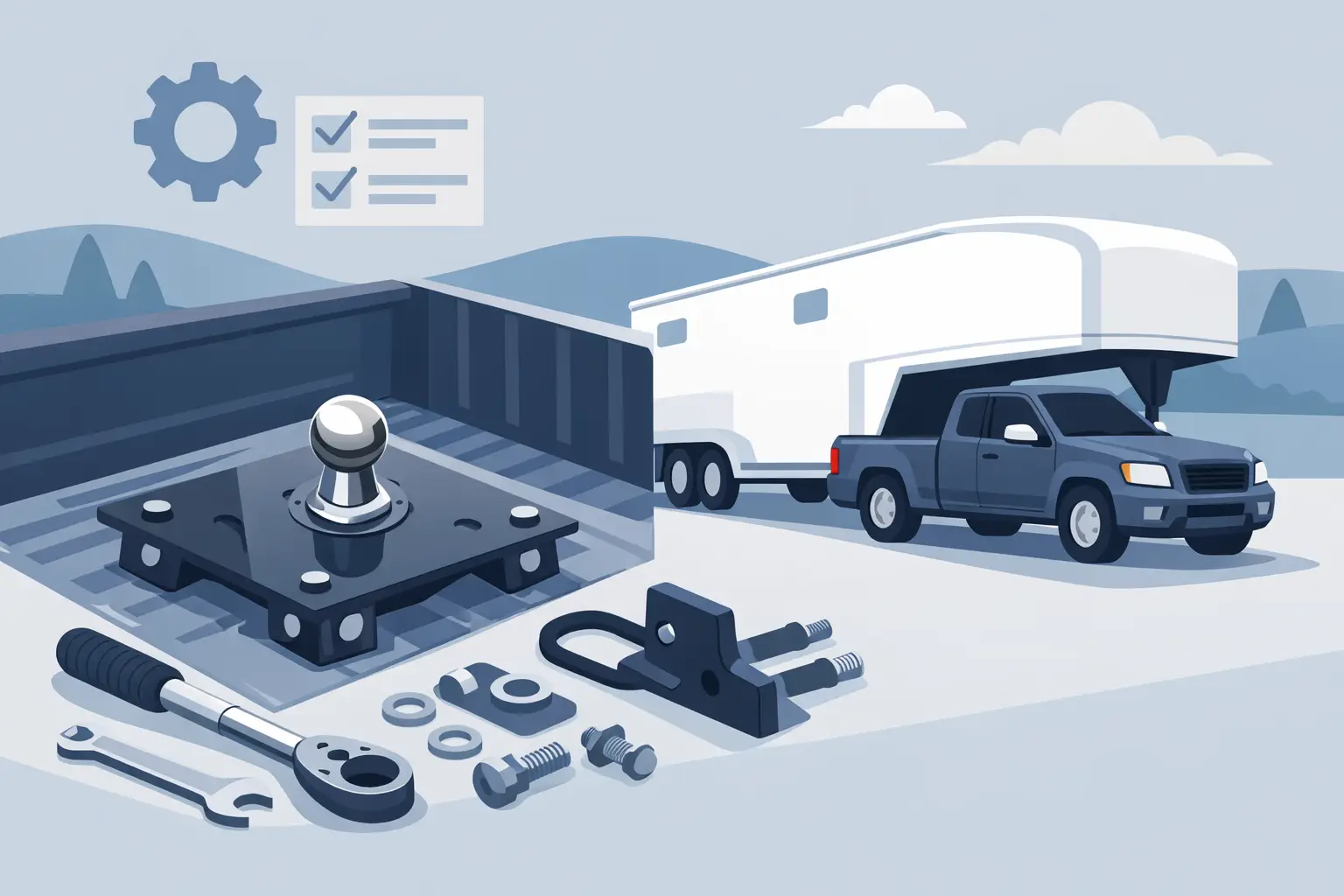
A trailer that sits right, pulls straight, and stays predictable on the road usually starts with the hardware under the bed. That is where a gooseneck hitch installation kit matters. If the kit does not match the truck, bed, and hitch design, you can end up fighting bad fitment, extra drilling, or a towing setup that never feels quite right.
For truck owners who use their equipment for real work, the right kit is not an add-on purchase you figure out later. It is part of the foundation. Whether you are towing livestock, equipment, or a heavy flatbed trailer, the install hardware needs to match the job, the truck frame, and the hitch you plan to run.
What a gooseneck hitch installation kit actually does
A gooseneck hitch installation kit is the vehicle-specific hardware that lets the hitch mount securely to the truck. In most cases, that means frame brackets, crossmembers, bolts, spacers, and the parts needed to tie the hitch into the frame the way the manufacturer intended.
Some buyers assume the hitch and the installation kit are the same thing. Sometimes they are sold together, and sometimes they are not. That detail matters. A hitch ball assembly may be listed separately from the mounting hardware, and if you miss that, you can end up with half the system sitting in the shop and no way to install it.
The main job of the kit is load distribution. A properly designed kit spreads trailer weight into the truck frame instead of concentrating stress in weak spots. That is a big deal on heavy pulls, uneven jobsite entrances, and long highway runs where small setup issues turn into real wear.
Why fitment matters more than price
The cheapest hardware on the page is not always the least expensive option once install time, extra parts, and frustration are factored in. A true vehicle-specific kit is built around frame width, bed corrugation, exhaust routing, and other clearances that vary from truck to truck.
That is where buyers get tripped up. Two pickups may look nearly identical from the outside, but frame changes between model years can affect bracket design and mounting points. Bed length, factory prep packages, underbed wiring, and suspension upgrades can all change what fits cleanly.
A good gooseneck hitch installation kit should tell you exactly what it fits. If the listing is vague, that is a warning sign. Serious truck owners want exact-fit hardware because guessing costs time. It also creates risk if someone starts modifying parts that were never meant for that application.
What is usually included in a gooseneck hitch installation kit
Most kits include side plates or frame brackets, crossmembers, mounting hardware, and installation instructions. Some will also include the center section or hitch plate, while others are strictly the hardware required to support a separately purchased hitch head or ball system.
This is where careful product reading pays off. One kit may be designed for an underbed turnover ball setup, while another is built for a fixed gooseneck platform. They are not interchangeable just because both say gooseneck. The mounting pattern, bed cutout, and load path can be different.
If you are shopping for a truck that already has aftermarket accessories underneath, check clearance around air spring brackets, aftermarket exhaust, and in-bed tool storage systems. A kit that fits a stock truck may need a closer look on a work truck with upgrades.
Gooseneck hitch installation kit choices by truck use
Not every towing setup has the same priorities. If the truck spends most of its time on a farm or pulling heavy equipment, a fixed, heavy-duty setup may make sense. If bed access matters and the truck has to serve more than one role, a removable ball system is often a better fit.
That trade-off is worth thinking through before you buy. A clean bed is useful, but some removable systems cost more and can take more planning during install. A simpler fixed setup may be easier on the budget, but it gives up some bed flexibility.
There is also the question of future use. If you think you may add other towing accessories later, it is smart to consider how the underbed hardware will work with them. Buying for the truck’s full job instead of just today’s trailer usually saves money in the long run.
Installation is straightforward, but not casual
A lot of gooseneck kits are designed to bolt into existing frame locations with minimal drilling, but that does not mean every install is quick or simple. You are still working around the truck bed, frame, wiring, fuel system components, and suspension. Measurements need to be right. Torque specs need to be followed. Bed cuts need to be clean and correctly placed.
That is why many experienced DIY owners can handle the job, but not every buyer should. If you have the tools, a safe place to work, and enough experience to follow a manufacturer’s instructions closely, it may be a solid weekend project. If not, professional installation is usually the smarter move.
Poor installation shows up later in the worst ways. It might start as bed flex, unusual noises, or hardware that loosens up after use. Under load, those small mistakes are not small anymore.
Common install issues to watch for
The most common problem is ordering the wrong kit for the exact truck configuration. After that, issues usually come from incorrect bed measurements, missed torque specs, or interference with other aftermarket parts.
Rust can also complicate older truck installs. On a work truck that has seen years of road salt, frame access points may not cooperate the way they would on a newer pickup. That does not always stop the job, but it can change the time and labor involved.
When professional help makes sense
If the truck is part of your business, downtime matters. In that case, having the right parts ready and getting the install handled correctly the first time is often worth more than saving a few dollars on labor. The same goes for trucks that already have suspension kits, flatbeds, or other custom equipment in place.
For buyers in Virginia, North Carolina, West Virginia, and Maryland, working with a supplier that understands fitment and real truck use can cut down on ordering mistakes before they happen.
How to choose the right kit before you buy
Start with the exact year, make, model, and bed configuration of the truck. Then confirm whether the product includes only the installation hardware or the hitch components as well. That sounds basic, but it is one of the biggest reasons orders go sideways.
Next, think about towing weight, bed use, and whether you want a removable or fixed ball setup. A truck that hauls equipment every week has different needs than a pickup that tows occasionally and spends the rest of its time carrying pallets, tools, or building material.
Also check for fitment conflicts. Airbags, aftermarket shocks, exhaust modifications, and bed accessories can all affect installation space. A quality supplier should be able to help you narrow that down before you order.
Signs you are looking at a solid product
Look for clear fitment information, complete hardware details, and weight ratings that make sense for the application. Good product listings are direct. They tell you what the kit fits, what is included, and what other parts may be required.
If the description leaves too much out, that is not a minor issue. In towing equipment, incomplete information usually means more work for the buyer.
Buying with confidence matters
Truck owners are used to sorting through parts that claim broad compatibility but do not deliver exact fit. A gooseneck hitch installation kit is not the place to gamble. This hardware carries the load under real conditions – rough roads, sharp turns, loaded trailers, and long miles.
That is why product support matters almost as much as the steel itself. If you can verify fitment before you buy, understand what is included, and get a straight answer when something is unclear, you are already ahead of most ordering problems.
HCR Custom Fabrication serves buyers who want parts that perform and fit the first time. That matters when your truck is more than transportation. It is how you haul, work, and keep moving.
The best setup is not always the biggest or most expensive one. It is the one that matches your truck, your trailer, and the way you actually use both – and it starts with the right hardware under the bed.