Best Seller


How to Choose a Truck Flatbed
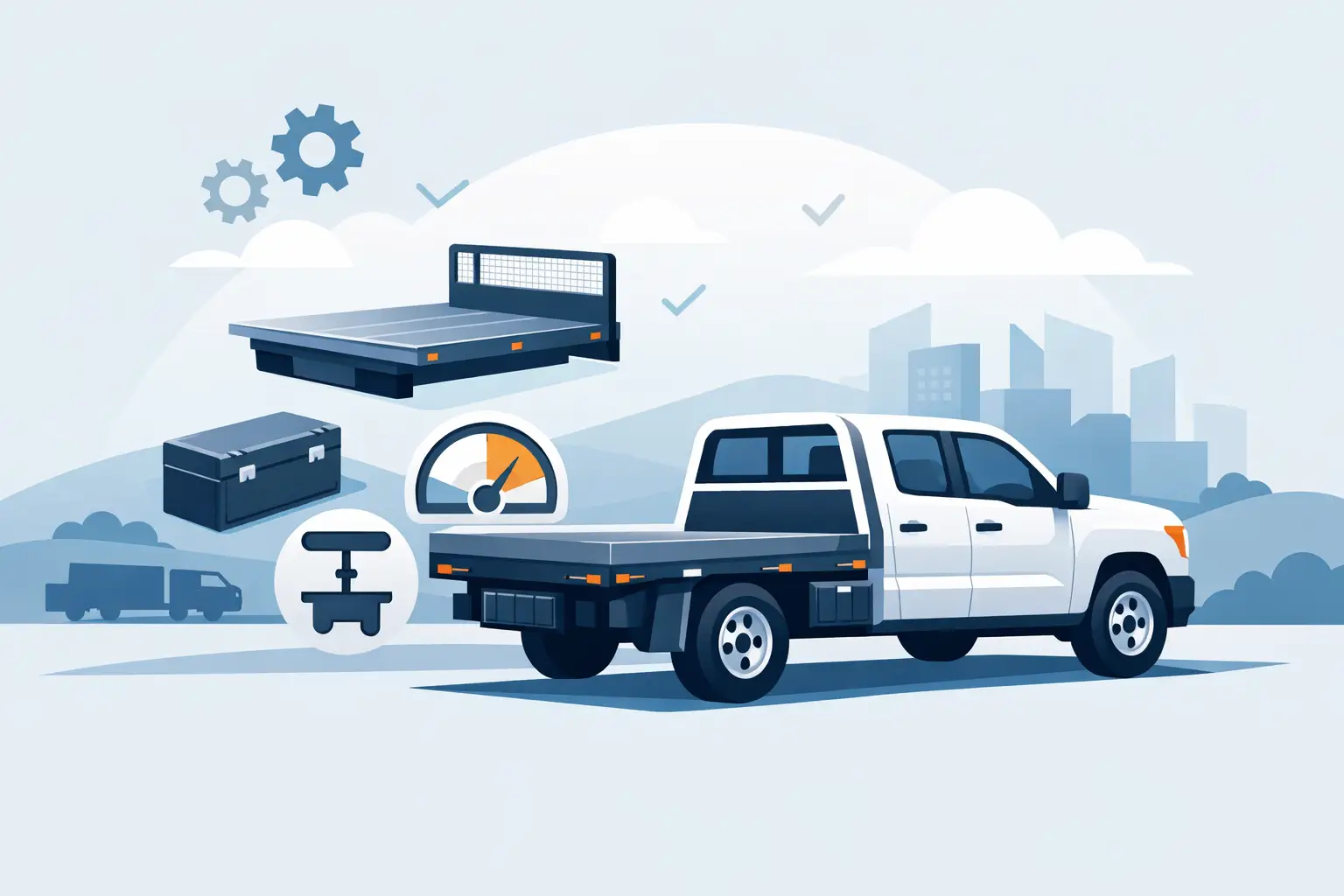
A flatbed that looks right in photos can still be wrong for your truck, your load, and the way you work. If you are figuring out how to choose a truck flatbed, the real job is matching bed size, material, storage, and features to the truck you own and the work you expect it to handle every week.
A lot of buyers start with deck length or price. Those matter, but they are not the first decision. The first decision is what the truck needs to do when it leaves the shop or jobsite. A contractor hauling pallets, a farmer loading equipment, and a hotshot driver tying down mixed freight may all need a flatbed, but not the same one.
How to choose a truck flatbed for the work you do
Start with your actual use, not the heaviest or most unusual load you might haul twice a year. Think about the loads you move most often, how you secure them, and how often you climb on and off the bed. If your day involves forklifts, side loading clearance matters. If you hand-load tools and materials, deck height and access matter more than people expect.
It also helps to be honest about abuse. Some trucks spend their lives on pavement and clean jobsites. Others see mud, gravel, salt, and uneven loads every day. A flatbed for hard commercial use should be chosen with long-term wear in mind, not just day-one appearance.
The right bed should make routine work easier. It should give you tie-down points where you need them, storage that fits your gear, and enough deck space to carry the load without creating a constant balancing act.
Start with truck fitment and weight ratings
Before you compare brands, rails, or accessories, confirm what your truck can legally and safely carry. That means checking chassis cab dimensions, axle ratings, and gross vehicle weight rating. The flatbed itself adds weight, and every pound of bed, boxes, headache rack, or gooseneck hardware is a pound you cannot use for payload.
This is where buyers get into trouble. A heavier steel bed may be the right choice for tough use, but on the wrong truck it can cut payload harder than expected. On the other hand, going too light can leave you with a bed that does not hold up to your routine.
Fitment is not just overall length. Cab-to-axle measurement, frame width, fuel fill location, lighting, and any chassis-specific mounting needs all matter. If you want a clean install and no surprises, the bed should be matched to the truck, not forced onto it.
Cab-to-axle and bed length matter more than guesswork
A flatbed has to sit correctly on the chassis for both safety and appearance. Bed length should line up with the truck’s frame and wheel placement, and rear overhang should stay within proper limits. Buyers sometimes assume a longer deck is always better, but extra length can create clearance issues, poor weight distribution, or an awkward look that tells you immediately the bed was not selected for that truck.
If you are replacing a factory pickup box with a flatbed, pay close attention to how the truck will be used after the swap. A setup that worked fine with a stock bed may need different wiring, mud flaps, hitch access, or fuel filler solutions once the flatbed is installed.
Steel or aluminum depends on payload and punishment
One of the biggest decisions in how to choose a truck flatbed is material. For many work trucks, steel is the default for a reason. It is tough, repairable, and well suited for hard use. If your truck sees equipment, building materials, toolboxes, and rough loading conditions, a steel flatbed usually makes sense.
Aluminum has its place, especially when saving weight is a priority. A lighter bed can preserve payload and help trucks that need every available pound. But lighter does not automatically mean better. The right answer depends on how much abuse the bed will take and how long you expect it to last under your workload.
Finish also matters. Powder coat, paint quality, and corrosion resistance become a much bigger deal in areas where trucks see road salt and year-round exposure. For buyers in Virginia, Maryland, West Virginia, and North Carolina, seasonal moisture and road treatment can turn a small finish problem into a rust problem faster than expected.
Think through deck design and load access
A flat deck is never just a flat deck. The details change how useful it is every day. Deck width, rub rails, stake pockets, and tie-down placement all affect loading speed and cargo security.
If you haul equipment with ramps, make sure the rear design works with your loading method. If you use forklifts, check that side access is clean and practical. If your cargo changes from day to day, more flexible securement points are usually worth it.
Storage can make or break a work truck
Underbody boxes, integrated tool storage, and headache rack options are not extras for many operators. They are part of the job. A flatbed with no real storage may look clean, but it can leave tools, straps, chains, and small parts rolling around the cab or taking up deck space.
The key is choosing storage that fits what you actually carry. Deep boxes are great until they interfere with frame components or become awkward to reach. More boxes are not always better if they reduce clearance or add weight you do not need.
Do not overlook lighting and visibility
Good lighting protects the truck and the people around it. Rear lights need to be placed where they stay visible and protected. Marker lights, backup lighting, and license plate mounting should not feel like afterthoughts.
This is especially important if the truck works early mornings, late evenings, or roadside jobs. A flatbed setup should help you stay visible and legal without needing modifications right after installation.
Hitch and towing needs should be planned up front
A lot of buyers add towing needs later and end up reworking the bed. If you know you need a receiver hitch, bumper pull setup, or gooseneck access, build around that from the start. The bed, hitch hardware, wiring, and any rear structure should work together.
This is one area where cheap decisions usually cost more. If the truck will tow regularly, the flatbed should support that use without blocking access, limiting turning clearance, or making hookups harder than they need to be.
Price matters, but downtime costs more
Everybody has a budget. That is real. But the cheapest bed is not the lowest-cost choice if it wears out early, lacks the features you need, or creates fitment issues that slow the truck down.
A better way to look at price is to compare total value over time. Ask how the bed is built, how it is mounted, what finish it uses, and whether the design fits your truck and work style. A bed that costs more up front but saves time, protects payload, and holds up better is often the smarter buy.
This is also why custom fabrication can be the right move when standard options leave too many compromises. If your truck has specific storage needs, unusual equipment, or a job that off-the-shelf beds do not fully support, a custom-built solution can solve problems before they show up in the field.
Questions worth asking before you buy
When comparing options, ask practical questions instead of sales-floor questions. Ask how much the bed weighs. Ask how it mounts. Ask where tie-downs are located and whether storage interferes with access. Ask what finish protection it has and what kind of use it was really built for.
If you are talking with a fabrication shop or supplier, clear answers matter. So does support. HCR Custom Fabrication serves buyers who want a bed that fits the truck and the job, not just something that can be bolted on and sold.
The best flatbed is not the one with the longest feature list. It is the one that fits your chassis correctly, carries your normal load safely, and stands up to the kind of work your truck does every week. Buy for the job in front of you, not the catalog page, and you will end up with a truck that earns its keep instead of asking for excuses.